Unlock Professional Branding: The Ultimate Guide to Vector Sale Banner Templates
In the fast-paced world of digital marketing and retail, first impressions are not just important; they are everything. Whether you are launching a new product line, announcing a seasonal clearance, or simply trying to capture attention on a crowded social media feed, the visual quality of your promotional materials can determine the success of your campaign. This is where a high-quality Product Sale Banner Template becomes an indispensable tool for businesses, designers, and entrepreneurs alike. Specifically, templates designed with versatility in mind—such as those compatible with Adobe Illustrator and offering full vector scalability—provide the foundation for creating stunning visuals that convert viewers into customers.
Understanding the mechanics behind these templates and how to leverage them effectively is crucial for anyone looking to elevate their brand presence. From physical roll-up banners at trade shows to digital stories on Instagram, the right design asset serves as a bridge between your message and your audience. Let's explore why these resources are so significant, how they function technically, and how you can use them to transform your marketing strategy.
The Power of Vector Graphics in Modern Design
At the heart of any professional banner template lies the file format. When you download a premium template, you will often see it described as a VECTOR EPS 10 file. But what does this actually mean for you, and why is it superior to standard image files like JPEGs or PNGs?
Vector graphics are composed of mathematical paths rather than a fixed grid of pixels. This fundamental difference means that vector images are infinitely scalable. You can shrink a vector banner down to fit a business card or expand it to cover the side of a building, and the lines will remain crisp, sharp, and clear. There is no pixelation, blurring, or loss of quality, regardless of the size. In contrast, raster images (like photos) become grainy and unusable when enlarged beyond their original resolution.
For a Product Sale Banner, this scalability is vital. You might start by using the design for a small Facebook ad, but if the campaign succeeds, you may need to print a large expandable and roll vertical banner for an in-store display. With a vector-based template, you do not need to recreate the design from scratch; you simply adjust the artboard size in your software, and the graphics adapt perfectly. This flexibility saves time, money, and ensures brand consistency across all mediums.
Versatility Across Platforms and Mediums
One of the most compelling features of a well-constructed banner template is its adaptability. In today's omnichannel marketing environment, your message needs to appear everywhere your customers are. A single, robust template can be modified to serve a multitude of purposes:
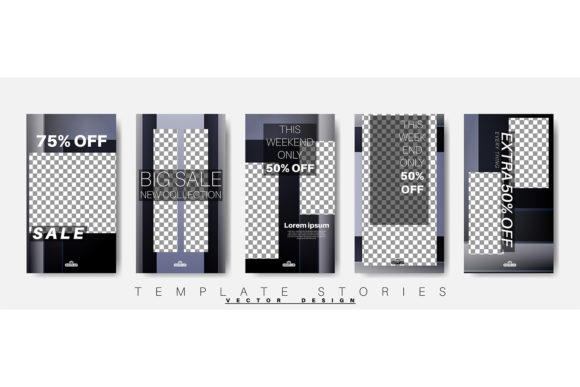
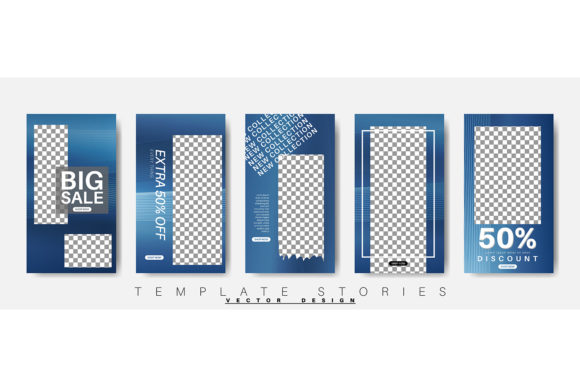
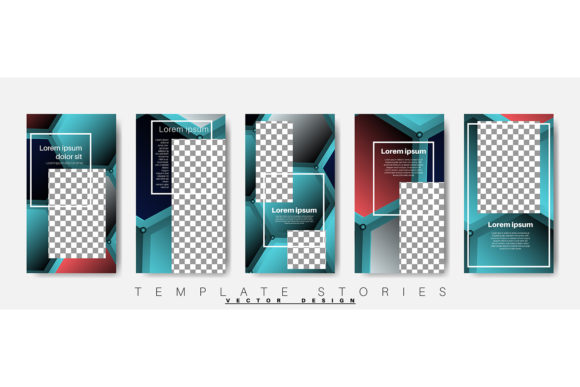
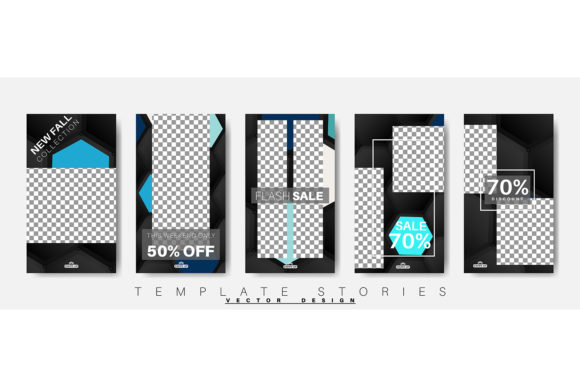
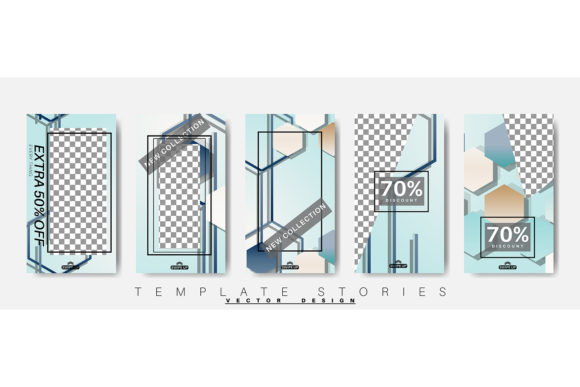
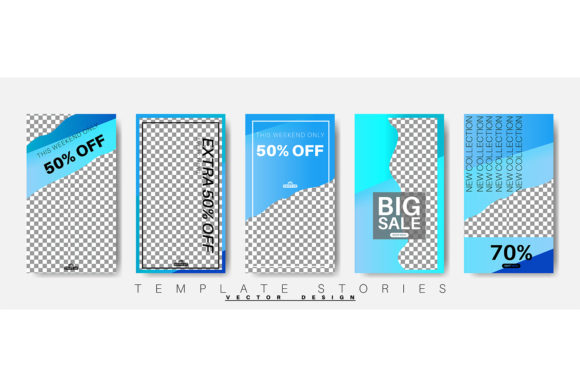
- Social Media Stories: Vertical layouts are perfect for Instagram, TikTok, and Snapchat stories, capturing mobile users' attention instantly.
- Product Catalogs: Clean, editable layouts allow you to insert high-resolution product photos alongside compelling sales copy.
- Flyers and Brochures: The same graphical elements can be rearranged for printed handouts distributed at local events or mailed to customers.
- Digital Displays: Bright, bold vectors look fantastic on LED screens in malls or airports.
- Roll-Up Banners: As mentioned, the vector nature makes these ideal for large-format printing used at conferences and pop-up shops.
This "create once, use everywhere" approach streamlines your workflow. Instead of hiring a designer for every single platform, you maintain a cohesive visual identity by tweaking one master file. This not only reinforces brand recognition but also significantly reduces production costs.
Why Editability Matters: Taking Control of Your Brand
Purchasing a template is not just about buying a pretty picture; it is about acquiring a flexible framework that you can make your own. High-quality templates, such as those provided in Adobe Illustrator format, offer complete control over every element of the design. When a file description states that "All Objects Colors are editable," it means you are not stuck with a preset color scheme that might clash with your brand guidelines.
Imagine your brand colors are navy blue and gold, but the template preview features red and white. With an editable vector file, changing the entire color palette is as simple as selecting the objects and applying your specific hex codes. This level of customization ensures that your sale banner feels authentic to your business, rather than looking like a generic stock design.
Furthermore, editability extends to text and layout. You can easily swap out placeholder text for your specific sale details, change fonts to match your typography standards, and move graphic elements around to highlight different products. This empowerment allows even those with basic design knowledge to produce professional-grade materials without needing to learn complex illustration techniques from scratch.
Bridging the Gap Between Beginners and Professionals
A common misunderstanding among beginners is that using a template limits creativity or results in a "cookie-cutter" look. However, the reality is quite the opposite. Templates provide a solid structural foundation based on proven design principles—such as balance, hierarchy, and color theory—allowing you to focus on the content and strategy rather than worrying about alignment or spacing.
For experienced designers, these templates serve as excellent time-savers. They eliminate the tedious process of drawing basic shapes and setting up grids, allowing the designer to jump straight into the creative refinement and customization phases. For novices, the template acts as an educational tool. By deconstructing the layers in Adobe Illustrator, beginners can learn how professional designs are constructed, observing how shadows, gradients, and grouping are utilized to create depth and interest.
The inclusion of a Sample preview in JPEG alongside the vector file is also a thoughtful touch. It allows users to quickly visualize the final output before diving into the editing software, ensuring the style matches their vision before they commit to the customization process.
Practical Applications in Business and Education
The utility of these banner templates extends far beyond retail sales. In the educational sector, schools and universities can use them to promote open days, graduation ceremonies, or fundraising events. The ability to print large, clear banners ensures that important information is visible from a distance, guiding attendees effectively.
In the corporate world, these assets are essential for internal communications, such as announcing company milestones, safety campaigns, or new hire orientations. The professional polish of a vector-based design lends credibility to the message, showing that the organization values quality and attention to detail.
Moreover, for freelancers and agencies, having a library of editable templates increases throughput. You can deliver high-quality work to clients faster, improving satisfaction and allowing you to take on more projects. The efficiency gained from using a pre-built, fully editable structure cannot be overstated in a deadline-driven industry.
Getting Started with Your Download
Once you have secured your download, the process of bringing your banner to life is straightforward. Here is a logical flow to get you started:
- Open the File: Launch Adobe Illustrator and open the EPS 10 file. Ensure your software is up to date to guarantee full compatibility with all vector features.
- Explore the Layers: Take a moment to examine the layer panel. You will likely find organized groups for background elements, text, and decorative graphics. This organization is key to easy editing.
- Customize Colors: Use the eyedropper tool or color picker to apply your brand colors to the various objects. Remember, since they are vectors, the color shifts will be smooth and consistent.
- Update Content: Replace the sample text with your actual sale headlines, dates, and calls to action. Experiment with font weights to emphasize key information.
- Insert Imagery: If the template includes placeholders for product photos, drag and drop your high-resolution images into these frames. The vector mask will automatically crop them to fit.
- Export for Use: Once satisfied, save your working file. Then, export a high-resolution JPEG or PDF for printing, or a web-optimized PNG for digital use.
By following these steps, you transform a static template into a dynamic marketing asset tailored specifically to your needs.
Conclusion: Investing in Quality Visuals
In conclusion, a Product Sale Banner Template is more than just a digital file; it is a strategic investment in your brand's visibility and professionalism. The combination of vector scalability, full editability, and multi-platform versatility makes these tools essential for modern communication. Whether you are a small business owner looking to make a big impact or a seasoned designer seeking efficiency, leveraging these resources allows you to create compelling visuals that resonate with your audience.
The ability to seamlessly transition from a digital social media story to a massive physical banner without losing quality is a game-changer in today's diverse media landscape. By understanding the power of vector graphics and embracing the flexibility of editable templates, you equip yourself with the means to tell your story clearly, beautifully, and effectively. So, the next time you plan a promotion, remember that the right foundation makes all the difference. Download, edit, and let your creativity shine.