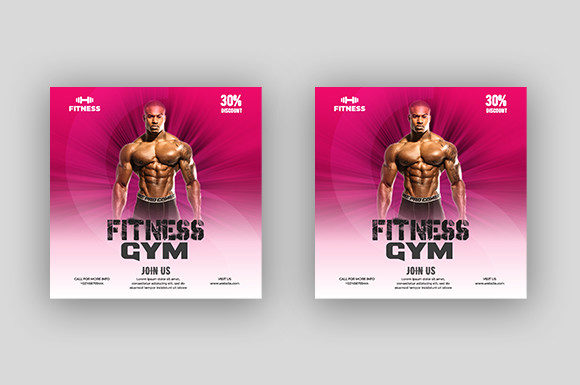
Streamlining Fitness Branding with a Professional Gym Social Media Post Template
In the competitive landscape of fitness marketing, visual consistency is often the deciding factor between a scroll-past and a new membership sign-up. For gym owners, personal trainers, and fitness influencers, the pressure to produce high-quality content daily can be overwhelming. This is where a dedicated Gym Social Media Post Template becomes an essential asset rather than just a optional design tool. These resources are designed to bridge the gap between professional branding and efficient workflow, allowing creators to maintain a polished aesthetic without needing advanced graphic design skills for every single post.
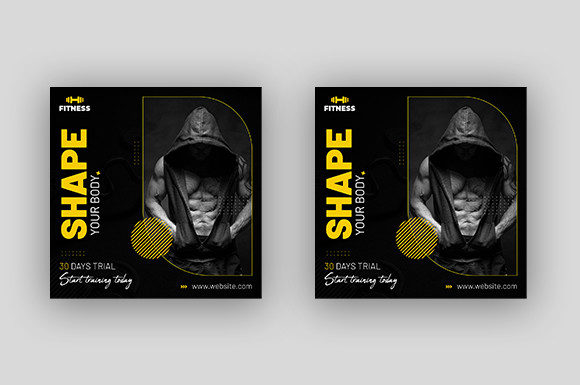
The specific template under discussion here represents a clean, eye-catching, and professional approach to social media graphics. Sized at 1080x1080 pixels in RGB color with 300 DPI resolution, it adheres to the technical standards required for crisp display on platforms like Instagram and Facebook. However, beyond the technical specifications, the true value lies in its structure. It offers a fully editable PSD file that is well-organized, ensuring that users can quickly swap out images and text while maintaining the integrity of the original design. This balance of flexibility and structure is what makes such templates worth discussing in the context of modern digital marketing strategies.
The Strategic Value of Pre-Designed Assets
When evaluating the utility of a Gym and fitness Instagram banner or social media post template, one must look past the surface-level aesthetics and consider the operational efficiency it provides. For professionals aged 20 to 50—who often juggle client sessions, business administration, and content creation—time is the most scarce resource. A pre-designed template eliminates the need to start from a blank canvas, a process that can consume hours when trying to align fonts, colors, and layout elements.
The primary strength of this type of template is its ability to enforce brand consistency. In the fitness industry, trust is built through professionalism. A feed that features disjointed fonts, inconsistent color palettes, or misaligned elements can subconsciously signal a lack of attention to detail. By utilizing a clean design framework, businesses ensure that every post, whether it announces a new class, highlights a trainer, or shares a motivational quote, feels part of a cohesive narrative. This consistency reinforces brand recognition, making the gym or trainer instantly identifiable to followers as they scroll through their feeds.
Technical Usability and Workflow Integration
From a practical standpoint, the usability of a template is defined by how easily it integrates into an existing workflow. The template in question features a well-organized layer structure within the PSD file. For those familiar with Adobe Photoshop, this means that text layers, image placeholders, and background elements are logically named and grouped. This organization is critical for rapid editing. Instead of hunting through a chaotic list of unnamed layers, a user can immediately locate the "Headline" or "Image Mask" layer, make their changes, and export the final asset.
Furthermore, the requirement for free fonts is a significant advantage. One of the common frustrations with premium templates is the reliance on obscure, paid typography that requires additional purchases or subscriptions. By specifying free fonts, this template ensures that the barrier to entry remains low. Users can download the necessary typefaces at no cost, ensuring that the final output looks exactly as intended without hidden expenses. This attention to accessibility demonstrates a understanding of the diverse budget constraints faced by small business owners and freelancers.
It is important to note that while the template is fully editable, the image is not included. This is a standard industry practice but warrants mention for clarity. Users must source their own high-quality photography. This limitation, however, can be viewed as a strength. It forces the content creator to use authentic imagery of their own facility, clients, or training sessions. Stock photos of generic models often fail to resonate with local audiences. By requiring the user to insert their own visuals, the template encourages authenticity, which is a key driver of engagement in the fitness niche.
Real-World Application and Performance
How does a Gym Social Media Post Template perform in real-world scenarios? Consider a personal trainer launching a six-week challenge. They need to create a series of posts: an announcement, weekly progress tips, client testimonials, and a final call to action. Without a template, each of these posts might look drastically different, diluting the campaign's impact. With a consistent template, the trainer can simply update the text and swap the background image for each post. The result is a visually unified campaign that looks professionally produced, increasing the perceived value of the challenge.
Similarly, for gym marketers managing multiple locations or franchises, these templates serve as a brand governance tool. They can distribute the PSD file to various branch managers, ensuring that while local information (like class times or specific trainer names) changes, the overall brand identity remains intact across all locations. This scalability is difficult to achieve with ad-hoc design methods.
The clean design mentioned in the template features is particularly effective for mobile consumption. Most social media traffic occurs on smartphones, where screen real estate is limited. Cluttered designs with excessive text or busy backgrounds often become illegible on small screens. A clean, minimalist approach ensures that the core message—be it a discount offer or a class schedule—is read instantly. The 1080x1080 px square format is optimized for the Instagram grid, ensuring maximum visibility without cropping issues.
Who Benefits Most from This Resource?
While the utility of a Gym and fitness Instagram banner is broad, certain demographics stand to gain the most. Small business owners who act as their own marketing departments will find the time-saving aspects invaluable. Freelance fitness coaches, who often operate on lean budgets, can achieve a high-end look without hiring a dedicated graphic designer. Additionally, educators and publishers in the health and wellness space can use these layouts to package educational content in a visually appealing format, increasing the likelihood of shares and saves.
Even for established agencies managing fitness accounts, these templates provide a reliable baseline. They allow designers to focus their creative energy on custom campaigns and high-level strategy rather than getting bogged down in routine posting tasks. The reliability of a well-structured template means fewer errors and faster turnaround times for client approvals.
Limitations and Considerations
Despite the clear advantages, it is essential to approach these tools with a realistic perspective. A template is a starting point, not a finished product. Its effectiveness is heavily dependent on the quality of the input content. If a user inserts low-resolution images or writes verbose, poorly formatted text, even the best template will fail to deliver a professional result. The "clean design" relies on the user exercising restraint and good judgment.
Additionally, over-reliance on a single template can lead to visual fatigue among followers. While consistency is key, variety is also necessary to keep an audience engaged. Smart users will utilize the template as a foundation but vary the color overlays, image choices, and headline styles to keep the feed dynamic. Some platforms may require different aspect ratios for stories or reels covers; while this 1080x1080 template is perfect for feed posts, users should be prepared to adapt or seek complementary templates for other formats.
Making the Decision
Ultimately, determining whether a Gym Social Media Post Template fits your needs comes down to an assessment of your current workflow and branding goals. If you are struggling to maintain a consistent posting schedule due to design bottlenecks, or if your current visuals do not reflect the quality of your services, this type of resource offers a pragmatic solution. It provides the structural backbone needed to present a professional image while leaving enough flexibility to inject your unique brand voice.
The long-term value of such a tool extends beyond individual posts. It contributes to the accumulation of brand equity. Over months and years, the repeated exposure to a consistent visual style builds familiarity and trust with your audience. In an industry where results and reputation are everything, presenting a polished, professional front is not merely an aesthetic choice—it is a strategic business decision. By leveraging well-organized, editable, and clean design assets, fitness professionals can focus less on the mechanics of design and more on what they do best: helping people achieve their health and fitness goals.