School Admission Square Post Template Guide
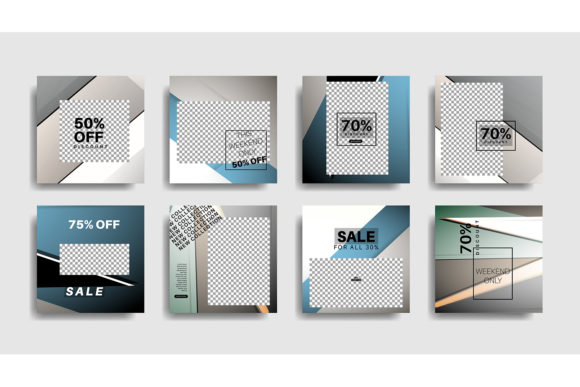
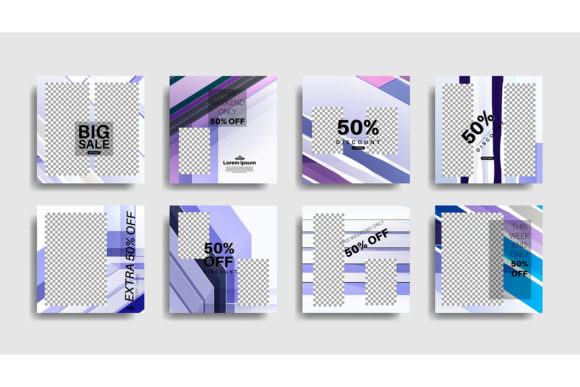
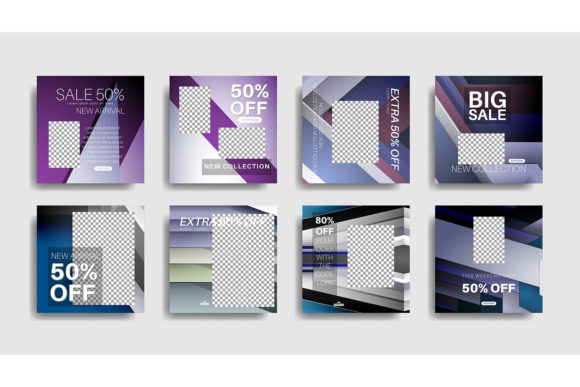
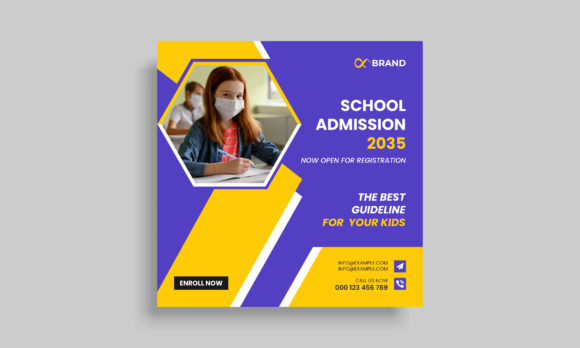
Visual communication has become the cornerstone of how institutions connect with families, and the School Admission Square Post Template represents a specific, high-value tool in that ecosystem. At its core, this is a pre-designed digital asset formatted specifically for social media platforms like Instagram and Facebook, where square imagery (1080×1080 pixels) dominates the feed. It is not merely a picture; it is a structured layout containing placeholders for text, logos, and imagery, built within professional design software like Adobe Illustrator. The primary function is to streamline the creation of admission announcements, open house invitations, or enrollment deadlines, ensuring that the final output looks polished without requiring the user to be a graphic design expert.
However, the value of such a template shifts dramatically depending on who is holding the file. For a seasoned marketing director at a large private academy, this template might represent a time-saving shortcut for a junior designer. For a parent running a small homeschool co-op, it might be the difference between an announcement that looks amateurish and one that commands respect. Understanding these nuances is essential before downloading or purchasing any design asset.
Why Format and Flexibility Matter
The technical specifications of the School Admission Square Post Template are designed for immediate utility. With a resolution of 72 DPI and RGB color mode, it is optimized strictly for screens, ensuring colors appear vibrant on mobile devices and desktops alike. The fact that it is an EPS (Encapsulated PostScript) file is significant. Unlike a flat JPEG or PNG, an EPS file retains vector data. This means the design can be scaled up or down without losing quality, and every element—from the font size to the shape of a decorative border—can be manipulated.
For those with only basic knowledge of Illustrator, this "well-organized design" is crucial. A chaotic file structure can turn a ten-minute edit into an hour-long frustration. A professional template groups layers logically, names text boxes clearly, and uses standard fonts or includes guidance on substitution. This organization lowers the barrier to entry, allowing users who are not designers to focus on the message rather than fighting the software.
Perspectives from Educators and Administrators
School administrators and admissions officers often operate under tight deadlines and limited budgets. Their priority is clarity and speed. When evaluating a template, they are looking for a layout that highlights key dates, application deadlines, and contact information without visual clutter.
Consider a high school principal preparing for fall enrollment. They need to convey trust and academic excellence. A generic, flashy template might feel inappropriate, whereas a clean, structured School Admission Square Post Template allows them to insert their school crest and a photo of students in uniform, creating an immediate sense of community. For this audience, the "commercial value" lies in the template's ability to maintain brand consistency across multiple posts throughout the admission cycle. If the template allows them to quickly swap out dates for different grade levels while keeping the overall aesthetic identical, it becomes a strategic asset rather than just a graphic.
The Freelancer and Small Agency Viewpoint
For freelancers and small marketing agencies managing multiple school clients, the criteria shift toward efficiency and customization. These professionals often juggle several projects simultaneously. A well-layered EPS file allows them to duplicate the master file, change the color scheme to match a new client's branding, and update the copy in minutes.
A freelance social media manager might use this template to create a series of posts: one for "Early Bird Registration," another for "Open House Day," and a third for "Scholarship Applications." The ability to edit the text easily means they can offer rapid turnaround times to their clients. Here, the "learning value" is minimal because the tool is meant to bypass the learning curve; the value is purely in the workflow optimization. If the template requires advanced Illustrator skills to simply change a phone number, it fails this audience. The ideal template respects the freelancer's time by being intuitive.
Entrepreneurs and Hobbyists
Not everyone using a school admission template works for a formal institution. Entrepreneurs launching tutoring centers, coding bootcamps for kids, or art workshops also need to attract students. For these individuals, presentation equals credibility. A hobbyist teaching weekend pottery classes may not have a marketing budget, but they understand that a pixelated, poorly aligned image on Instagram will deter potential customers.
Using a School Admission Square Post Template allows a solo entrepreneur to punch above their weight class. It provides a framework that looks professionally produced, lending authority to a new business. The priority here is often cost-effectiveness and ease of use. They need a solution that works immediately after download. Since the image is not included in the template package, this audience must also consider their access to photography. They need to know if the template has designated frames for photos or if it relies on graphic elements alone. A flexible template accommodates both scenarios, allowing the user to insert their own photos or use solid colors and icons if professional photography is unavailable.
Evaluating the Right Tool for Your Needs
Before integrating this template into your workflow, it is helpful to assess your specific constraints and goals. Different users prioritize different aspects of the file:
- Beginners: Focus on the "Help File" and layer organization. Can you locate the text layers easily? Is there a guide on how to export for web use?
- Professionals: Look at the vector quality and scalability. Are the graphics true vectors, or are they raster images embedded in an EPS wrapper? True vectors ensure crisp lines on high-resolution retina displays.
- Brand Managers: Evaluate color flexibility. Can the color palette be changed globally with a few clicks, or does every element need manual recoloring?
- Content Creators: Consider the layout balance. Does the design leave enough negative space for your specific message, or is it too crowded?
It is also important to recognize what the template does not provide. As noted in the features, images are not included. This is a standard practice in professional templates to avoid licensing issues and to encourage customization. Users must source their own photography or illustrations. For some, this is a pro, as it ensures unique content; for others, it may be a hurdle if they lack a library of assets. Additionally, while the file is editable, it does require Adobe Illustrator. Users relying solely on free tools like Canva or basic photo editors will not be able to utilize an EPS file effectively unless they convert it, which often breaks the editable text layers.
Long-Term Usefulness and Adaptability
The longevity of a School Admission Square Post Template depends on its design neutrality. Trends in social media graphics shift rapidly; what looks modern today may look dated in two years. A high-quality template avoids overly trendy fonts or fleeting design fads. Instead, it relies on strong typography, clear hierarchy, and balanced composition. This approach ensures that the template can be reused year after year with only minor tweaks to the color scheme or photos.
For educational institutions, consistency builds recognition. When parents see a specific style of post repeatedly, they begin to associate that visual language with the school's brand. A versatile template supports this long-term strategy. It allows a school to maintain a cohesive look across different campaigns, from STEM fair advertisements to sports team recruitment, simply by adjusting the internal elements while keeping the structural integrity of the design.
Ultimately, the decision to use a specific template should align with your capacity to customize it and your audience's expectations. Whether you are a busy administrator needing a quick fix, a designer seeking a robust starting point, or an entrepreneur building a brand from scratch, the right template bridges the gap between intention and execution. By understanding the technical foundation of the EPS format and the practical implications of a 1080×1080 layout, you can leverage these tools to communicate more effectively in a crowded digital landscape.